Californians face deadly beach conditions as rip currents surge
environment
tragic
local

Californians face deadly beach conditions as rip currents surge

10
(Update: )
county in California, United States of America
city in Los Angeles County, California, United States
county in California, United States
county in Vermont, United States
  • A beach hazard warning is in effect across Southern California due to large waves and dangerous rip currents.
  • The National Weather Service advises beachgoers to take extreme precautions as conditions pose a high risk of drowning.
  • Local authorities recommend avoiding the water during peak surf hours until conditions improve.
Share opinion
1

Story

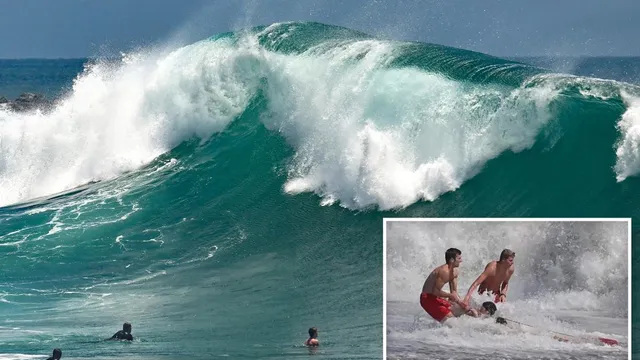
In Southern California, a beach hazard warning has been issued due to dangerous conditions along the coast, particularly affecting Ventura County, the Malibu coast, Los Angeles County, and Orange County. The National Weather Service has indicated that these hazardous conditions are expected to persist through Wednesday, July 29, at 5 p.m. The advisory also extends to San Diego County and includes the Catalina and Santa Barbara islands. The warning is a response to a southerly swell that is generating large waves and strong rip currents, posing significant risks to beachgoers. The National Weather Service has reported that the southerly swell is creating waves between 3 and 6 feet, which can lead to powerful rip currents and a high risk of drowning, even for experienced swimmers. Beachgoers are advised to take extreme precautions, as the conditions can lead to serious injuries or fatalities. The advisory highlights the dangers of swimming and surfing during this period, with strong rip currents capable of pulling swimmers out to sea and large breaking waves potentially causing injuries or capsizing small boats near the coastline. In addition to the immediate dangers posed by the surf, the weather service has warned of potential flooding in low-lying areas, including parking lots, parks, and roads, although significant structural damage is not expected. High tides of 6.2 to 7 feet are anticipated in the evenings through Friday, peaking on Thursday, which may contribute to minor coastal flooding. The combination of these factors has led local authorities to recommend that beachgoers stay near lifeguard-protected areas and avoid entering the water during peak surf hours until conditions improve. The warning comes in the wake of a recent incident in Santa Cruz, where a young swimmer was rescued from dangerous surf by a lifeguard. This incident underscores the urgency of the warning, as Los Angeles County lifeguards have reported nearly 2,000 water rescues over the past week, a significant increase from the typical summer weekend average of 200 to 300 rescues. The situation highlights the need for caution and awareness among those planning to visit the beaches during this hazardous period.

Context

Rip currents are powerful, narrow channels of water that flow away from the shore, posing a significant risk to beachgoers. Understanding the nature of rip currents is crucial for safety. They can form in any large body of water, including oceans and large lakes, and are often created by the interaction of waves, tides, and the underwater topography. These currents can move at speeds of up to 8 feet per second, which is faster than an Olympic swimmer. It is essential for individuals to recognize the signs of rip currents, which may include a difference in water color, a break in the wave pattern, or foam and debris moving seaward. Awareness of these indicators can help beachgoers avoid dangerous situations before they enter the water. To stay safe while enjoying the beach, it is vital to follow certain precautions. Always swim at beaches with lifeguards present, as they are trained to identify and respond to rip currents. Before entering the water, check local weather and surf conditions, as these can change rapidly and affect the strength of rip currents. It is advisable to swim with a buddy, as having someone nearby can be crucial in case of an emergency. Additionally, it is important to heed any warning flags or signs posted at the beach, as they provide valuable information about current conditions and potential hazards. If caught in a rip current, it is essential to remain calm and conserve energy. Instead of fighting against the current, swim parallel to the shore until you are out of the current's grip. Once free, you can then swim back to the beach at an angle. If you are unable to swim back, float or tread water and signal for help by raising your arm. It is important to remember that rip currents do not pull you under; they carry you away from the shore. Understanding this can help alleviate panic and allow for a more rational response to the situation. Education and awareness are key components in preventing rip current-related accidents. Beachgoers should familiarize themselves with rip current safety tips and share this knowledge with others. Schools, community organizations, and local governments can play a role in promoting rip current safety through educational programs and outreach initiatives. By increasing awareness and understanding of rip currents, we can help ensure that beachgoers enjoy a safe and pleasant experience at the beach.