

politics
controversial
provocative
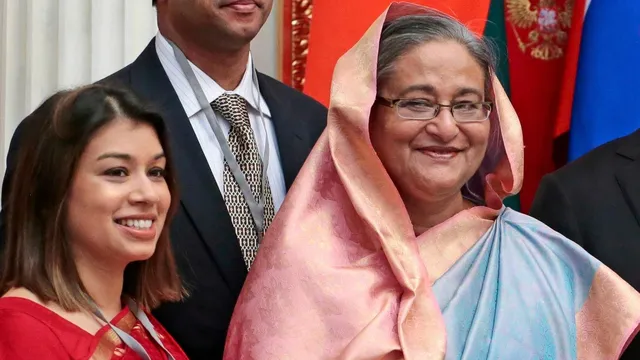
Sheikh Hasina sentenced to 10 years in jail for corruption
Feb 2, 2026, 9:51 AM40
(Update: Feb 2, 2026, 12:02 PM)
politics
controversial
provocative
Sheikh Hasina sentenced to 10 years in jail for corruption
- Sheikh Hasina has been sentenced to 10 years in prison for corruption.
- Her niece Tulip Siddiq received a four-year sentence in connection with the same cases.
- The verdicts come as Bangladesh approaches elections, severely impacting the political landscape.
Insights
News 4 4
Related reports
Opinions
Story
“
strategic analysis shift shift market data data global impact economic geopolitical policy global strategic impact analysis data analysis policy insight shift impact global analysis policy impact market geopolitical impact market insight insight insight policy global shift geopolitical data impact analysis market strategic shift market market economic market impact policy economic global geopolitical trends economic data market global insight strategic global analysis impact data data market impact global economic global impact insight market analysis shift data shift market global impact geopolitical...
2026 All rights reserved



2026 All rights reserved