

Algeria criminalizes French colonialism and demands restitution
Algeria criminalizes French colonialism and demands restitution
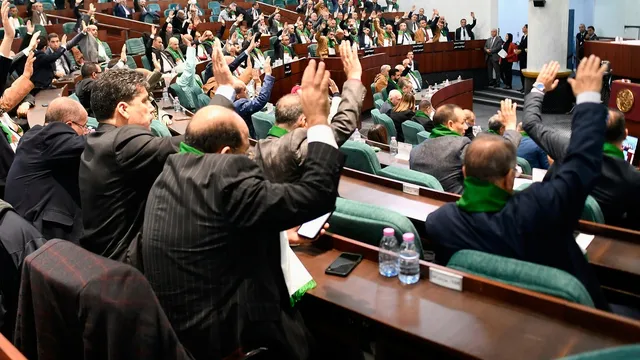
- Algerian lawmakers voted to classify over 130 years of French colonial rule as a crime against humanity.
- The law demands restitution for property taken during colonization and addresses various injustices faced by Algerians.
- This legislative action could heighten tensions between Algeria and France, reflecting ongoing historical grievances.
Story
In Algeria, a significant legislative decision was made by the National Assembly on December 24, 2025, to declare French colonial rule a crime, an action reflecting lingering grievances from Algeria's historical past. The vote was overwhelmingly supportive, with 340 of the 407 assembly members in favor of the bill, which aims to condemn the brutality experienced during the 132 years of French domination, from 1830 to 1962. This period was marked by severe oppression, forced deportations, and atrocities committed against the Algerian population, culminating in a bloody war for independence that left a profound impact on both nations' histories. The proposed law not only seeks to criminalize these actions but also includes demands for restitution of property taken during the colonial era. This includes the return of Algerian archives and the transmission of information regarding French nuclear testing that took place in Algeria from 1960 to 1966. The bill is seen as a part of a broader movement across Africa advocating for reparations related to colonialism and brings to the forefront Algeria's resolve to confront its colonial past without concessions. Reactions to this legislation from France have been swift, labeling the law a
Context
Historical reparations movements in Africa have gained significant traction in recent years, reflecting a long-standing quest for justice in the wake of colonialism and exploitation. These movements advocate for reparations for the historical injustices suffered by African nations and their populations, which include slavery, land dispossession, and cultural erasure. Various African countries and organizations have increasingly called for reparations from former colonial powers and entities responsible for the transatlantic slave trade. These calls are rooted in the belief that acknowledging and compensating for past wrongs is essential for healing and rebuilding national identities that were systematically undermined throughout history. The reparations discourse in Africa encompasses a multitude of dimensions, ranging from political to economic and social aspects. Politically, reparations movements focus on fostering dialogue between former colonial powers and African states, aiming to establish frameworks for accountability and restitution. Economically, demands for reparations highlight the need for financial restitution that would support development initiatives, help rectify persistent inequalities, and provide resources for education and health care systems that have been historically underfunded. Socially, the movements emphasize the importance of cultural reparations, including the return of artifacts taken during colonization and the recognition of indigenous cultures and practices that were marginalized. Several notable instances exemplify the push for reparations in Africa. For instance, the calls from the Pan-African movement, alongside advocacy from various civil society organizations and governments, have been instrumental in keeping the issue at the forefront of public consciousness. Countries such as South Africa have made strides in addressing historical injustices through mechanisms like the Truth and Reconciliation Commission, although challenges remain in fully realizing reparative justice. Additionally, movements in regions like the Caribbean have also influenced the discourse in Africa, as both regions share historical ties to colonial exploitation and the slave trade. Internationally, the reparations movement has garnered attention and support from various human rights organizations, amplifying the voices calling for justice and accountability. Recent developments, such as discussions at the African Union and United Nations forums, illustrate a growing recognition of the need for reparations within international legal frameworks. While challenges persist in terms of political will and practical implementation, the ongoing movements for historical reparations in Africa signify a significant step towards addressing the enduring impacts of colonialism and fostering a more equitable future.


