Panic erupts in Silicon Valley over Chinese AI advancements
technology
impactful
controversial

Panic erupts in Silicon Valley over Chinese AI advancements

10
(Update: )
subregion of the San Francisco Bay Area known for its concentration of high-technology industry
  • Recent discussions in the U.S. tech industry have been dominated by concerns over Chinese AI advancements.
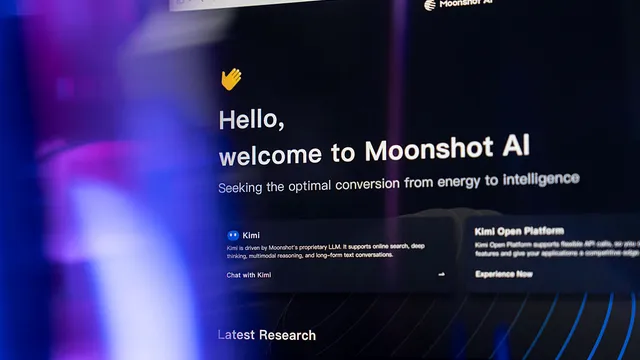
  • Kimi from Moonshot AI's comments triggered significant reactions among Silicon Valley and Wall Street.
  • The ongoing debate raises questions about the effectiveness of restrictions on Chinese AI models and their implications for the U.S. tech landscape.
Share opinion
1

Story

In recent discussions surrounding artificial intelligence, particularly in the United States, a significant wave of concern has emerged regarding the advancements of Chinese AI models. This discourse was notably intensified by Kimi from Moonshot AI, whose comments sparked a reaction among tech industry leaders and investors. The discussions took place in the context of a broader narrative where the tech community has historically reacted with alarm whenever a Chinese AI model demonstrates competitive capabilities against established frontier models. This pattern of panic has been observed repeatedly, suggesting a deep-seated anxiety about the potential implications of Chinese advancements in AI technology. The reactions were particularly pronounced following the launch of DeepSeek, a Chinese AI model that appeared to perform competitively on various benchmarks. This led to a flurry of discussions on social media platforms, where industry figures expressed their fears and concerns. The expectation that a Chinese model could potentially surpass American technology has fueled a narrative of urgency and alarm, with many in Silicon Valley feeling that the stakes are incredibly high. The discourse has been characterized by a sense of impending doom, with some voices in the industry suggesting that the U.S. must take immediate action to maintain its lead in the AI race. Amidst this backdrop, the conversation has also turned to the implications of imposing heavy restrictions on Chinese AI models. Some industry experts, like Kirsten, have raised critical questions about whether such actions would genuinely benefit the U.S. in the long run or merely serve to bolster a select few American companies. This debate highlights the complexities of the AI landscape, where the motivations behind regulatory measures can be scrutinized. The fear of falling behind in the AI race has led to calls for more aggressive policies, but the effectiveness and fairness of these measures remain contentious topics. The discussions were further fueled by comments from Dean Ball, the head of strategic futures at OpenAI, who openly articulated concerns about the competitive landscape. His remarks, which were perceived as candid and alarming, prompted a backlash from various quarters, indicating that there are unspoken rules about how openly one can discuss these fears. The overall sentiment in the tech community reflects a mix of anxiety and determination, as stakeholders grapple with the implications of Chinese advancements in AI and the potential need for a strategic response from the U.S. government and private sector.

Context

The competitive landscape of artificial intelligence (AI) between the United States and China has evolved significantly over the past few years, reflecting the strategic importance both nations place on this transformative technology. As of 2026, the U.S. continues to lead in foundational AI research and development, driven by its robust ecosystem of universities, research institutions, and private sector innovation. Major tech companies such as Google, Microsoft, and Amazon have made substantial investments in AI, focusing on areas like machine learning, natural language processing, and computer vision. The U.S. also benefits from a culture of entrepreneurship and venture capital that fosters the growth of AI startups, enabling rapid advancements and commercialization of AI technologies. However, the regulatory environment and concerns over data privacy and security have posed challenges for the U.S. AI sector, potentially slowing down its pace of innovation compared to its Chinese counterpart. China, on the other hand, has made AI a national priority, with the government implementing policies to accelerate its development and application across various sectors. The Chinese government has invested heavily in AI research and infrastructure, aiming to become the global leader in AI by 2030. Chinese tech giants like Baidu, Alibaba, and Tencent are at the forefront of AI advancements, leveraging vast amounts of data from their extensive user bases to enhance their AI capabilities. The Chinese approach to AI development is characterized by a more centralized strategy, allowing for rapid deployment of AI technologies in areas such as surveillance, healthcare, and smart cities. This has led to significant advancements in AI applications, although concerns regarding ethical implications and human rights have been raised internationally. The competition between the U.S. and China in AI is not just limited to technological advancements; it also encompasses geopolitical dimensions. Both nations recognize that AI will play a crucial role in shaping the future of their economies and military capabilities. The U.S. has expressed concerns over China's aggressive AI strategy, viewing it as a potential threat to its technological supremacy and national security. In response, the U.S. has sought to strengthen its alliances with other countries, promoting collaborative efforts in AI research and development while also implementing measures to safeguard its technological edge. This competitive dynamic has led to a race for talent, with both countries vying to attract the best minds in AI research and development. Looking ahead, the competitive landscape of AI between the U.S. and China is likely to continue evolving, influenced by advancements in technology, regulatory changes, and international relations. As both nations strive for leadership in AI, the implications of their competition will extend beyond economic and military domains, impacting global standards, ethical considerations, and the future of work. The outcome of this rivalry will shape the trajectory of AI development and its integration into society, making it imperative for stakeholders in both countries to navigate the challenges and opportunities that lie ahead.