
politics
controversial
impactful

Lebanon rejects normalization with Israel amid ongoing talks

Dec 3, 2025, 5:39 PM20
(Update: Dec 3, 2025, 10:21 PM)
sovereign state in Western Asia
country in Western Asia

Lebanon rejects normalization with Israel amid ongoing talks

  • Civilian representatives from Israel and Lebanon met for direct talks for the first time in decades as part of a US-brokered ceasefire.
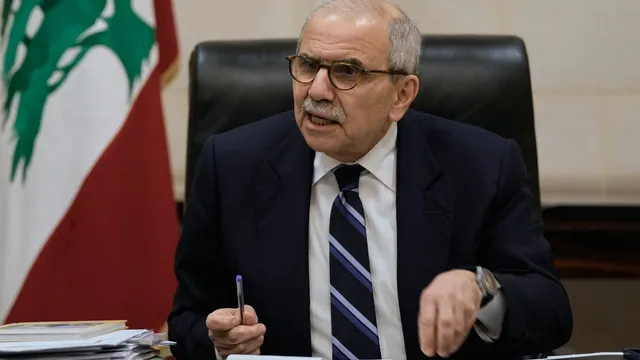
  • Lebanese Prime Minister Nawaf Salam maintained his country is 'far from' engaging in diplomatic or economic relations with Israel.
  • The outcome of these talks does not signal immediate normalization between the two nations, as Lebanon's conditions for peace remain unmet.
Share opinion
Tip: Add insight, not just a reaction
2

Story

In Lebanon, civilian representatives from both Israel and Lebanon convened for the first direct talks in decades on December 3, 2025. This meeting, which occurred at the UN peacekeeping force's headquarters in Naqoura, was part of a US-brokered ceasefire agreement that has been active since November 2024, following a prolonged conflict between Israel and Hezbollah. Israeli Prime Minister Benjamin Netanyahu characterized the meeting as historic, framing it as an initial step toward establishing relations and economic cooperation between the two nations. However, the comments made by Lebanese Prime Minister Nawaf Salam offered a contrasting perspective. Salam emphasized that Lebanon remains 'far from' any form of diplomatic normalization or economic relations with Israel. He reiterated that such normalization is conditional upon the establishment of a Palestinian state, adhering to the terms of the 2002 Arab peace plan, which Netanyahu has opposed. These remarks highlight the complexities surrounding Lebanon-Israel relations, as Lebanon still officially recognizes itself as being in a state of war with Israel since 1948. The talks have been elicited by rising border tensions, with accusations from Israel directed towards Hezbollah for ceasefire violations and military buildup. Despite the meeting's diplomatic setup, Salam remains firm that economic ties can only emerge post-peace agreement, asserting that Lebanon is currently far from that objective. Thus, the recent talks reflect a cautious step towards dialogue but fall short of any substantial diplomatic engagement between the two states.

Context

The history of Lebanon-Israel peace talks is a complex narrative rooted in decades of conflict, political change, and shifting alliances in the Middle East. The two countries share a fraught relationship characterized by wars, territorial disputes, and the engrained conflict stemming from the broader Israeli-Palestinian disagreement. Key milestones in the peace process have included multiple attempts at dialogue, which have seen varying degrees of engagement but often resulted in limited success due to entrenched positions on both sides. Significant moments include the 1983 Accord, meant to provide peace and security, which ultimately failed, largely due to the ongoing tensions represented by the presence of various armed groups and the Lebanese Civil War backdrop. The invasion of Lebanon by Israel in 1982 was a critical juncture, aiming to eliminate the Palestinian presence and subsequently escalating conflict with Hezbollah, which remains pivotal in the region today. Subsequent efforts to broker peace included the 1996 Grapes of Wrath Operation and various United Nations-mediated dialogues, leading to the 2000 withdrawal of Israeli troops from southern Lebanon. However, this withdrawal did not end hostilities; rather, it marked the emergence of Hezbollah as a significant political and military force within Lebanon. The unresolved status of the Shebaa Farms area, along with sporadic violence, continued to hinder progress toward a peaceful resolution. In 2006, the conflict between Israel and Hezbollah escalated with a 34-day war, reaffirming the complexities of the relationship and the challenges that any peace initiative would face. In the context of regional dynamics, Lebanon-Israel peace talks have often been influenced by broader geopolitical factors, including the roles of Syria and Iran in Lebanese politics, the influence of international players such as the United States, and shifting alliances in the Arab world. The Arab Peace Initiative proposed in 2002 by Saudi Arabia presented a framework that sought normalization between Arab states and Israel in exchange for the establishment of a Palestinian state. Lebanon's acceptance of such an initiative remains intertwined with its local politics, where Hezbollah's power and resistance ideology complicate national consensus towards peace with Israel. As of late 2025, the landscape of Lebanon-Israel relations continues to be marked by stagnation in formal peace talks. While there are small-scale dialogues and back-channel communications that sometimes emerge, broader peace initiatives remain elusive, caught in a cycle of mistrust and periodic violence. The legacy of historical grievances, coupled with contemporary political realities, outlines the challenging terrain that any future peace efforts will navigate. Thus, while opportunities for dialogue persist, achieving lasting peace demands a nuanced approach that addresses the core issues between Lebanon and Israel, alongside the regional context within which these discussions occur.

2026 All rights reserved
