

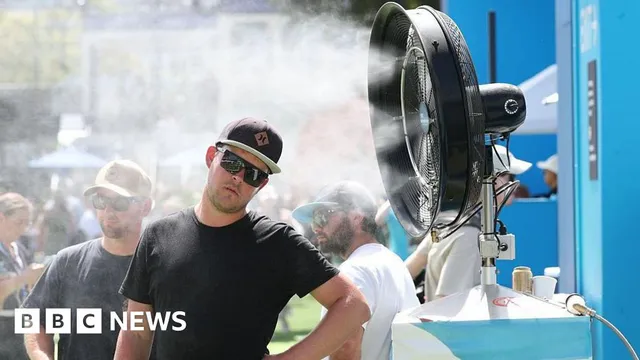
Record-breaking temperatures in Australia challenge communities amid heatwave
Record-breaking temperatures in Australia challenge communities amid heatwave
- Australia is experiencing record-breaking temperatures, with South Australia reaching 48.5 degrees Celsius.
- Cancellations of national celebrations reflect serious safety concerns amidst the extreme heat.
- Authorities are urging residents to stay indoors and take precautions during this heatwave.
Story
Australia is grappling with extreme heat conditions, particularly affecting southern states like Victoria and South Australia. On January 26, 2026, the Bureau of Meteorology warned that temperatures would peak in the high forties Celsius, leading to the issuance of heatwave warnings across multiple states. South Australia recorded a shocking high of 48.5 degrees Celsius, raising alarms for fire risks in the region. This unprecedented heat has prompted the cancellation of several Australia Day celebrations as officials prioritized community safety. Melbourne, the capital of Victoria, faced particularly harsh conditions, nearing its hottest recorded temperatures, spurring significant health and safety concerns. As the Australian Open commenced, organizers implemented extreme heat protocols, resulting in the postponement of matches and the temporary closure of outdoor courts. Notably, athletes and spectators alike were affected; participants dealt with health issues and crowds dwindled from 50,000 to just 21,000 as people responded to health warnings, preferring to stay indoors under cool shelter rather than risk the severe heat outside. The prolonged heatwave has affected not only the daily lives of many Australians but has also raised concerns about fire safety across several regions. The Bureau of Meteorology indicated heightened fire danger levels in areas of South Australia and parts of Victoria due to hot, dry weather and gusty winds. Firefighters in Victoria were already taxed, battling several blazes that responded to the present conditions. Residents in high-risk areas were encouraged to take precautionary measures, including relocating to cooler environments like libraries or community centers. In contrast, the Western Australia region was recently hit by Tropical Cyclone Luana, showcasing the diverse and extreme weather patterns affecting Australia. Amid these events, the public has been advised on best practices for coping with the heat, such as remaining indoors, closing windows, and using curtains to block out sunlight. With temperatures expected to gradually drop in the following days, vigilance remains necessary as the extreme weather conditions linger into the weekend. Authorities are persistently monitoring the situation and will continue to issue updates for the safety of the population.
Context
The latest updates on the Australian heat wave of 2026 reveal significant and concerning trends in temperature and weather patterns across the continent. As of January 27, 2026, Australia has been grappling with unprecedented heat, with temperature records being shattered in multiple regions. Major cities like Sydney, Melbourne, and Brisbane have seen temperatures exceeding 40 degrees Celsius, prompting numerous heat health warnings and increased calls for public safety measures. The Bureau of Meteorology has reported that this heat wave is characterized by prolonged durations of extreme temperatures, with forecasts indicating that these conditions may persist for several weeks. Such extreme weather patterns are not only a concern for human health but also exacerbate challenges in water supply, agriculture, and wildlife sustainability across the nation. Concurrent with the heat wave, reports of drought conditions have intensified, particularly in rural and semi-arid regions. Farmers are facing mounting difficulties as crop yields diminish, water resources dwindle, and livestock suffer under the stress of high temperatures. The agricultural sector is expected to sustain long-term effects from this heat event, possibly leading to food shortages or increased prices in the markets. Moreover, the health impacts are notably severe, with hospitals reporting a surge in heat-related illnesses, particularly among vulnerable populations such as the elderly and young children. Authorities have urged communities to stay informed and prepared, advocating for hydration, avoiding outdoor activities during the hottest parts of the day, and highlighting the importance of checking on at-risk individuals. In response to the extreme heat, state governments have mobilized emergency services and initiated programs to assist affected populations. Cooling centers have been established in urban areas, providing refuge from the heat for those without air conditioning. Additionally, there are ongoing campaigns to educate the public about the importance of heat safety, including the need for adequate hydration and recognizing symptoms of heat exhaustion and heat stroke. The heat wave is also amplifying discussions surrounding climate change and its direct implications on weather extremes, with scientists urging for a collective focus on sustainable practices to mitigate future risks. As the situation evolves, the need for adaptive strategies and climate-focused policies becomes increasingly crucial. Long-term solutions may include investment in renewable energy sources, improvements in infrastructure to better withstand extreme weather, and ongoing research into climate resilience. Given the severity and impact of the 2026 heat wave, it has become clear that Australia must reassess its approach to climate challenges to better protect its environment, economy, and public health in the years to come.


