

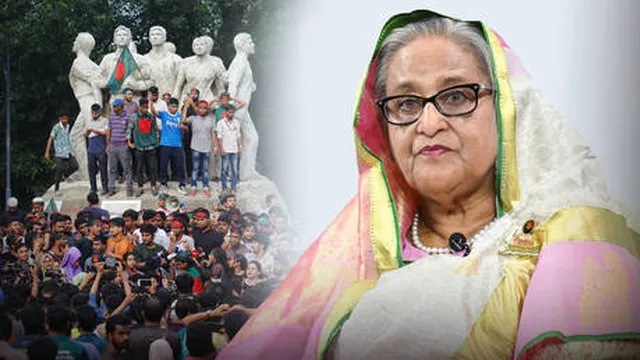
Lynching of Hindu man escalates tensions between India and Bangladesh
Lynching of Hindu man escalates tensions between India and Bangladesh
- Dipu Chandra Das, a Hindu garment factory worker, was lynched in Bangladesh due to blasphemy allegations, inciting protests in India.
- Demonstrators clashed with police in New Delhi while calling for action regarding violence against Hindus in Bangladesh.
- The incident has strained diplomatic relations between India and Bangladesh, emphasizing the urgency for both governments to handle the unrest.
Story
In Bangladesh, a rise in violence has sparked severe unrest, particularly after the killing of Hindu garment factory worker Dipu Chandra Das, who was lynched over alleged blasphemy. This incident occurred last week in Mymensingh and has exacerbated existing tensions between the Hindu community and the Muslim majority, prompting protests across India. Hundreds demonstrated in New Delhi outside the Bangladeshi embassy, demanding action from both governments to address the escalating violence against minorities. The protests reflect a growing civil unrest as Bangladesh prepares for its parliamentary elections scheduled for February 12, 2026. Protesters clashed with police while expressing their outrage over the death of Das, illustrating the heightened sentiment within India concerning the treatment of Hindus in Bangladesh. The anger is further fueled by the broader political landscape, marked by ongoing tensions following the ousting of former Prime Minister Sheikh Hasina during widespread protests in 2024. The Indian government has attempted to manage relations with Dhaka, urging Bangladesh to take constructive measures to safeguard minorities and prevent further violence. However, recent events reveal a fragile diplomatic relationship, with both nations summoning each other's diplomats amid accusations of incitement and violence. The lynching incident is symptomatic of deeper societal issues in Bangladesh, where hardline sentiments are increasingly taking center stage, posing risks not only to communal harmony but also to regional stability in South Asia. Meanwhile, the interim government in Bangladesh has pledged to hold those responsible for such violence accountable but struggles to maintain order amidst rising unrest and accusations of political motivations behind the violence. Civil society activists have expressed concerns about the safety of minorities and the impact of radical politics on democracy in Bangladesh. As the country gears up for critical elections, both domestic and international observers are keeping a close watch on developments. The United Nations and other foreign entities are concerned about the implications of this unrest for overall stability in the region. While India seeks to influence a supportive atmosphere for minorities across the border, the situation remains precarious, highlighting the challenges of managing long-standing tensions and the necessity for diplomatic engagement to restore trust between the nations.


