

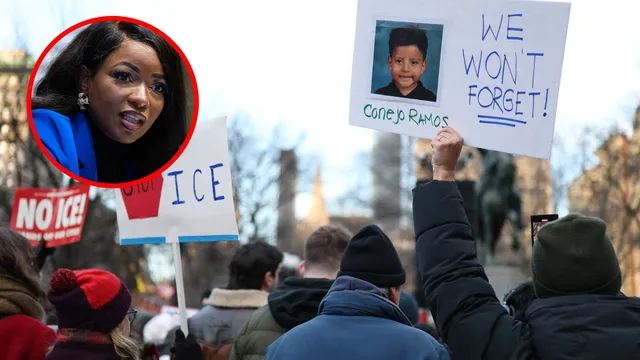
James Carville criticizes Jasmine Crockett's viability as a candidate
James Carville criticizes Jasmine Crockett's viability as a candidate
- James Carville publicly criticizes Jasmine Crockett's statements regarding Hispanic voters supporting Trump.
- He highlights the potential electoral repercussions of her remarks, urging a focus on voter needs.
- Carville endorses James Talarico as a more viable candidate for the Texas Senate race.
Story
In a recent discussion, veteran Democratic strategist James Carville expressed his concerns regarding the viability of Texas Rep. Jasmine Crockett's candidacy for the U.S. Senate. Carville pointed out that her controversial remarks, particularly her statements about Hispanic voters supporting Trump, could significantly impact her chances in the general election. He emphasized that such comments could alienate potential voters and that failing to focus on voters' needs is a critical mistake in politics. Carville's remarks were made during a podcast episode where he highlighted the distinct electoral advantages of fellow Democratic candidate James Talarico, suggesting Talarico would have a better chance of winning the election. Carville's criticisms of Crockett included her references to Texas Governor Greg Abbott, which he deemed disrespectful and harmful to her image. By calling Abbott, who uses a wheelchair, "Governor Hot Wheels," Crockett faced backlash across political lines, demonstrating how remarks that may be seen as humorous or candid can backfire politically. Carville noted that public perception and humanity should guide candidates' rhetoric. He advocates for a political strategy focused on broadening appeal rather than alienating segments of the electorate. Additionally, Carville's call for a more viable Democratic candidate reflects a growing concern among party leaders about electability ahead of upcoming elections. He argued that while both candidates might share similar progressive agendas, a winning strategy is paramount in achieving any legislative goals. Carville believes that winning elections is fundamental to implementing policy initiatives, stressing that without electoral success, political intentions ultimately amount to nothing. Crockett's approach has sparked controversy not only among political circles but also among voters who might feel demoralized by divisive comments. The discourse around her candidacy illustrates a critical moment for the Democratic Party in Texas, as they grapple with balancing progressive values and real-world electoral strategies. As political dynamics continue to shift, Crockett’s comments are scrutinized for their potential impact on voter sentiment and party unity moving forward.


