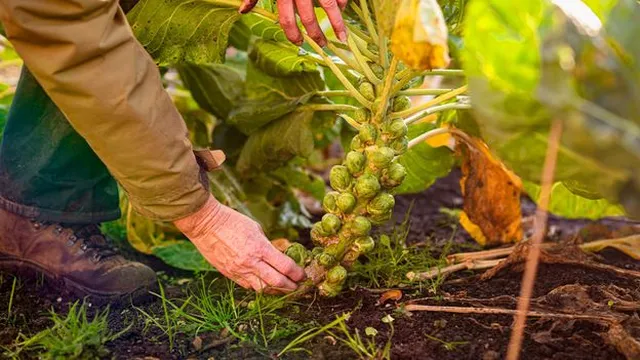
In the UK, Brussels sprouts have seen a transformation due to selective breeding aimed at reducing their bitterness, a trait many associate with childhood aversions to the vegetable. This breeding program, which has been in place for decades, focuses not only on taste but also on the visual appeal and disease resistance of the sprouts. Farmers have noted that taste improves notably after a frost, influencing when these vegetables are harvested and sold. Seasonal demand peaks around Christmas, which significantly affects annual sales figures.
Breeders like Alan Steven and Lauren Chappell are at the forefront of this evolution, employing a strategy that combines growing diverse seed varieties and conducting detailed phenotyping to identify desirable traits. The breeding process has become more sophisticated with advancements in gene editing technology, allowing for a more targeted approach in enhancing flavor and addressing issues of bitterness linked to pest resistance.
For many consumers, their existing perceptions of Brussels sprouts can often be traceable to experiences in childhood where their first taste might not have been favorable. Flavors of vegetables can be subject to change based on various factors including how they are cooked; however, enhancements from breeding practices are also dramatically altering their profiles. Consumers today may find a new appreciation for sprouts, partly due to the combination of these breeding advancements and changing culinary applications.
The collision of science, agriculture, and consumer demand illustrates a significant movement within the food industry to evolve and enhance traditional crops. As Brussels sprouts gain popularity once again, partly influenced by their new breeding and seasonal availability, they represent a greater narrative of agricultural innovation that seeks to bridge the gap between past aversions and future culinary enjoyment.