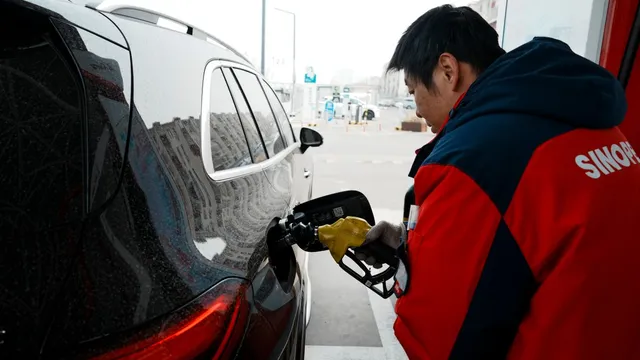
In response to the ongoing energy crisis fueled by the Iran war, which has significantly increased global oil prices, China has opted to delay its planned fuel price hikes. As of now, petrol prices in China have surged by approximately 20% since the start of the conflict, driven largely by Iran's closure of key oil shipping routes like the Strait of Hormuz, essential for world oil supply. This price surge has resulted in long lines at petrol stations across multiple Chinese cities. Authorities have recognized the urgency of managing domestic fuel prices to mitigate the economic impact on millions of drivers in the country.
To balance the situation, Chinese officials have taken proactive measures, including ordering oil refineries to cease fuel exports temporarily. These actions aim to maintain domestic fuel availability while also controlling prices. The National Development and Reform Commission (NDRC) has been monitoring global crude oil prices and adjusting fuel prices every 10 days, but the current surge has prompted a review of these practices to alleviate the strain on the nation's drivers.
Moreover, China has leveraged lower crude prices in the past to build significant oil reserves. Reports indicate that the country has accumulated approximately 900 million barrels of oil reserves, providing a buffer against immediate supply shocks. These reserves can provide China with almost three months' worth of crude oil imports, but given the recent volatility in the international market, Beijing is taking a cautious approach to ensure that supply does not dwindle in the short term.
Other Asian nations are grappling with similar challenges as they encounter rising energy costs. For instance, countries like the Philippines and Thailand are implementing various measures, such as four-day work weeks and urging citizens to work from home, respectively, to conserve fuel and manage overall energy consumption. This regional trend underlines the widespread impact of the energy crisis, with many governments scrambling to mitigate the economic fallout as costs continue to climb across the continent.