Countries like Japan, South Korea, Taiwan, and Singapore are experiencing a demographic shift towards an aging population.
The wellness and hospitality industry is rapidly growing to meet the health needs of older adults, driven by rising incomes and changing consumer values.
Experts caution that many wellness clinics may overpromise results, as scientific validation for many treatments is still lacking.
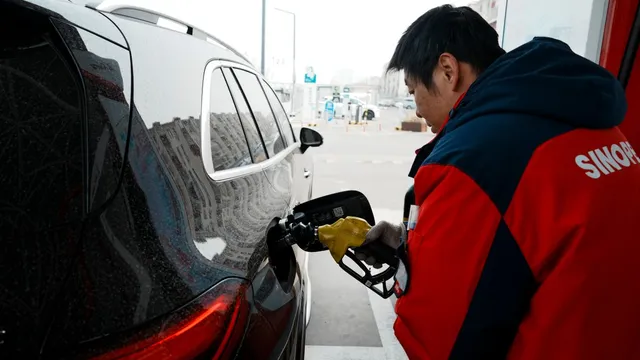
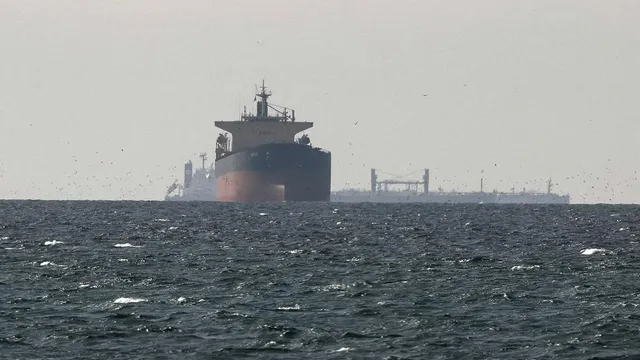
The Iran war has exposed Southeast Asia's vulnerability due to its reliance on oil and gas from the Strait of Hormuz.
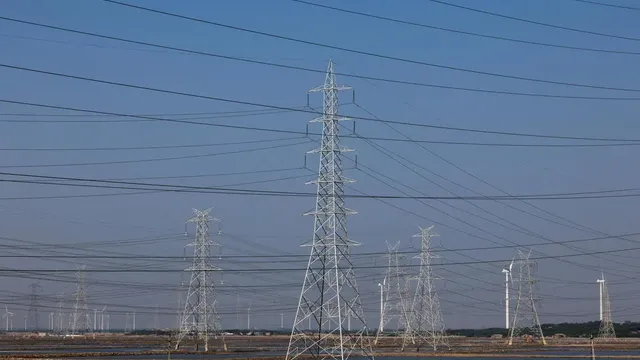
Countries in the region are increasingly adopting renewable energy solutions, with a notable rise in rooftop solar and electric vehicle sales.
Without significant reforms, Southeast Asia's energy import bill could triple to $245 billion by 2035, necessitating a diversification of energy sources.
Singapore has been actively participating in international nuclear safety drills and tests to ensure its preparedness.
The NEA conducts routine monitoring of environmental radiation levels to establish a baseline ahead of potential nuclear energy developments in the region.
The establishment of a nuclear safety division within the NEA reflects Singapore's commitment to enhancing its regulatory capabilities for nuclear power.
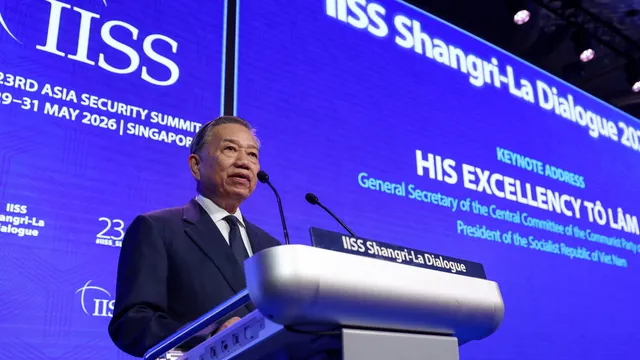
ASEAN foreign ministers convened in Cebu, Philippines, to discuss critical regional issues, including Myanmar's civil crisis and South China Sea disputes.
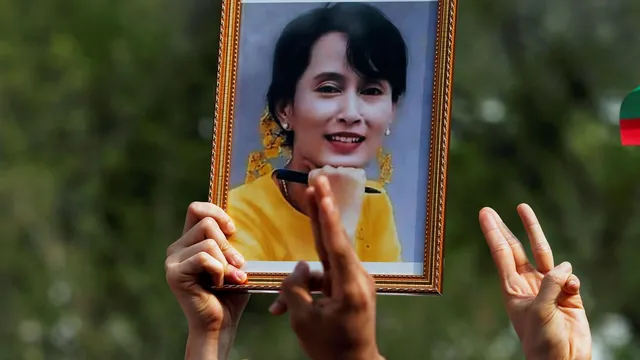
The 2021 peace plan in Myanmar has failed to yield results, necessitating renewed calls for action among ASEAN members.
The outcome of these discussions will be pivotal for ASEAN's future relevancy and stability in the region.
Francesco La Camera, the director-general of IRENA, confirmed that the removal of the US from the agency will not hinder its support for Southeast Asia.
Southeast Asia's share of global energy demand growth has significantly risen, enhancing the importance of renewable energy solutions.
The agency urges international collaboration to address climate challenges and drive renewable energy initiatives.