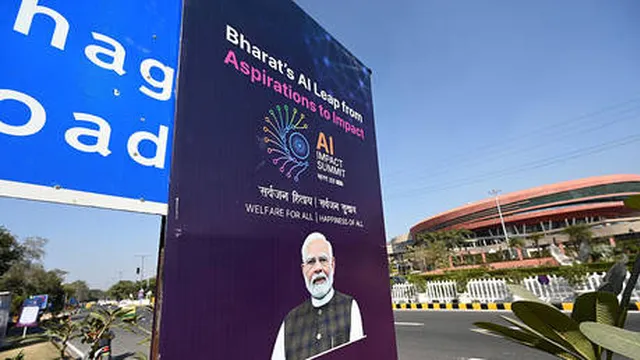
The importance of AI infrastructure in India cannot be overstated, especially in the context of its growing digital economy and the global push towards technology-driven development. AI, or artificial intelligence, has emerged as a critical tool for enhancing productivity, innovation, and efficiency across various sectors, including healthcare, education, finance, and agriculture. For India, a country with a large and diverse population, the potential to leverage AI technologies to address pressing challenges such as healthcare accessibility, educational disparity, and agricultural productivity is immense. However, realizing this potential is contingent upon establishing robust AI infrastructure that supports research, development, deployment, and the ethical considerations necessary for harnessing AI responsibly. This infrastructure must include advanced computational resources, data management systems, and comprehensive regulatory frameworks to ensure safety and ethical compliance in AI applications.
Infrastructure for AI encompasses not only physical components such as data centers and cloud computing facilities but also the systems for data collection and management to ensure high-quality datasets are available for training AI models. India is witnessing a significant investment in AI research and infrastructure, with the government and private sectors actively working to enhance capabilities. This includes initiatives such as Digital India, which aims to transform India into a digitally empowered society, and various incubators and research institutions that foster innovation in AI and machine learning. To support the rapid growth in AI, there is also a pressing need for skilled personnel. Initiatives aimed at education and skills development, particularly in STEM (science, technology, engineering, and mathematics) fields, are crucial for building a workforce that can sustain and grow the AI landscape in India.
Additionally, as AI technologies become more integrated into everyday applications, concerns around data privacy, bias in algorithms, and ethical use of AI necessitate the establishment of comprehensive policies and regulations. This incorporates the need for transparent AI practices and frameworks that help mitigate risks associated with AI adoption. As India moves forward, it is vital that the infrastructure not only addresses technological needs but also incorporates ethical considerations to foster public trust and ensure societal benefits. Establishing partnerships between academic institutions, industry stakeholders, and government bodies will be key to creating a cohesive AI strategy that promotes responsible AI development.
Finally, India's AI infrastructure is not just an internal concern; it plays a significant role on the global stage. By building a strong AI ecosystem, India positions itself as a key player in the global AI revolution, potentially leading to collaborations that transcend borders. This can help boost economic growth, create jobs, and further enhance India's status as a technology hub. The focus now must be on nurturing this ecosystem to ensure that India can harness the full potential of AI effectively and responsibly, thereby contributing to its development goals and setting an example for other nations.