business
impactful
controversial

Oil prices surge as Middle East tensions escalate

Mar 6, 2026, 6:41 AM80
(Update: Mar 9, 2026, 6:18 PM)
south-eastern region of Asia

Oil prices surge as Middle East tensions escalate

  • The war in the Middle East has led to fluctuating oil prices, impacting global markets.
  • Africa, being a significant net importer of oil, faces critical risks from rising crude prices.
  • Long-term effects of oil price hikes may necessitate a push for energy diversification in African countries.
Share opinion
Tip: Add insight, not just a reaction
8

Story

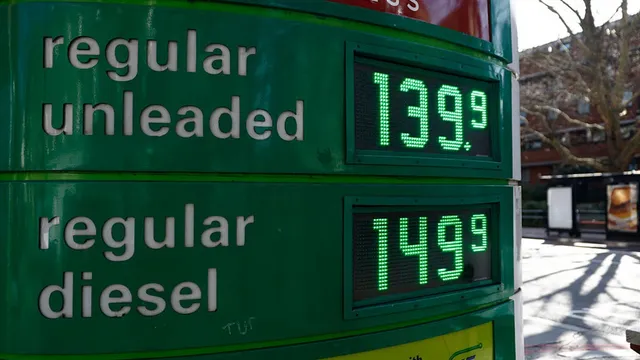
In the context of ongoing conflicts, market volatility is significantly affecting oil prices. The recent clashes between Israel and Iran, which entered their seventh day, have contributed to anxiety in global financial markets. Oil prices peaked at the highest level since the summer of 2024 but later fell by more than $1. Despite a temporary reprieve, the situation continues to remain precarious as production issues heighten supply concerns. Analysts predict that oil market dynamics will largely depend on the restoration of oil flows in the Strait of Hormuz, a critical pathway for global oil transport. In parallel, African nations are feeling the strain of rising oil prices, given their reliance on imported petroleum products. As a net importer, Africa remains highly vulnerable to any disruption in oil supplies, especially stemming from the Middle East. Analysts like Nick Hedley emphasize the economic risks faced by countries such as Kenya, Ghana, and Uganda, where rising crude prices can erode household purchasing power and lead to inflated costs in transport and food industries. As the situation unfolds, uncertainty affects currencies in these regions, leading to a potential decrease in value as investors flock to safer assets. The interplay of rising oil costs and weakening African currencies is likely to amplify the economic burden faced by local populations, impacting overall living conditions. Historical precedents indicate that such supply shocks could lead to lasting economic challenges, reinforcing the call for energy diversification and greater energy independence across the continent. Given the current geopolitical climate and economic repercussions, the long-term strategy for African nations may center around ensuring energy security to guard against similar crises in the future. Analysts emphasize that while some oil-exporting nations might benefit from higher crude prices, ordinary citizens will likely confront higher costs of living in the immediate term, with broad inflation spreading through the economies of heavily import-dependent countries. Understanding the breadth of these issues is essential as policymakers consider the implications of the escalating situation in the Middle East on their economies and citizens.

Context

The ongoing conflicts in the Middle East have historically had significant repercussions on global markets, impacting everything from oil prices to geopolitical stability. The Middle East is a critical hub for oil production, and any disruptions in this region can lead to immediate spikes in crude oil prices, affecting economies worldwide. For instance, military escalations or unrest can result in temporary supply shortages, causing fluctuations in prices that ripple through global supply chains and consumer markets. These events often create volatility in stock markets, where investor sentiment may shift dramatically in response to news from the region, leading to marked increases in risk aversion and changes in investment strategies. Moreover, the geopolitical landscape of the Middle East is complex, involving numerous nations and alliances that influence economic relations on a global scale. Countries that rely heavily on Middle Eastern oil, such as those in Europe and Asia, may face economic challenges if instability persists. This dependency creates a precarious balance where political decisions in the region resonate across continents, affecting currency valuations, trade agreements, and even foreign direct investments. For example, sanctions imposed on specific nations can lead to an increase in oil prices as markets adjust and alternative suppliers become more appealing, thus reshaping global trade dynamics. In addition to oil, other markets, such as defense and technology, are also heavily influenced by Middle Eastern conflicts. Governments often increase defense spending in response to security concerns stemming from unrest, which boosts demand for arms and military technology. This uptick can lead to increased profits for defense contractors but also raises ethical and moral questions about the consequences of such investments. Furthermore, the technology sector may also experience shifts, particularly in cybersecurity and surveillance technologies, spurred by the need for enhanced security measures in conflict-prone regions. Finally, the social and environmental consequences of Middle East conflicts are intertwined with global market dynamics. The refugee crises resulting from prolonged conflicts lead to humanitarian challenges that can strain resources in neighboring countries and beyond. These crises often lead to calls for intervention and support from the international community, which can influence foreign policy decisions and the allocation of resources. Sustainable investments may also become a focal point as investors increasingly consider environmental and social governance aspects in their portfolios, potentially reshaping investment trends in response to the ongoing challenges in the region.

2026 All rights reserved