

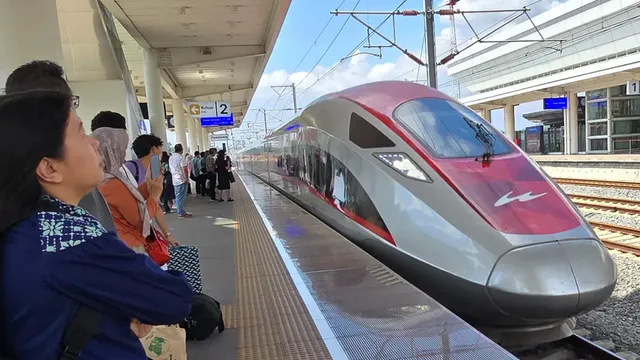
Vietnam moves forward with high-speed rail development
Vietnam moves forward with high-speed rail development
- Vietnam is transitioning from discussions to decisions about its high-speed rail project.
- Countries in the region are investing in high-speed rail to improve economic connectivity.
- High-speed rail initiatives must be pursued as sustainable services for future generations.
Story
Vietnam is actively advancing its high-speed rail (HSR) ambitions as part of a broader Asia-wide push towards developing faster, more efficient rail networks. The country has shifted from discussions to concrete decisions regarding the high-speed rail project, indicating a growing recognition of its importance for both economic development and connectivity within the region. The Eastern Economic Corridor in Thailand is positioning itself to leverage high-speed rail as a critical backbone for broader investments, while Indonesia has successfully launched the Jakarta-Bandung high-speed line, marking a significant milestone in Southeast Asia's rail transport landscape. Additionally, the China-Laos railway is redefining patterns of regional freight and tourism, suggesting that such infrastructure projects can enhance cross-border connectivity and stimulate local economies. There are even plans to potentially expand this railway to connect further south, broadening its impact. Malaysia and Singapore are reconsidering their own HSR initiative, especially after the original agreement for the Kuala Lumpur-Singapore link was terminated in 2021. Malaysia is now exploring a private sector-led approach without government funding, while Singapore remains open to commercially viable proposals that emphasize improved regional connectivity. The overall sentiment among these countries reflects a recognition that high-speed rail is not just a major infrastructure undertaking but a necessary service that should be aligned with sustainable development goals. By framing HSR as a public utility desired by the populace, advocates aim to ensure longevity in its operation and relevance over the coming decades. This approach faces challenges, including financial viability and the need for cooperation among government and private entities. In conclusion, high-speed rail initiatives across Southeast Asia exemplify a critical trend toward modernizing transportation systems and bolstering regional economies. The commitment shown by various nations, including Vietnam, could lead to transformative impacts on their infrastructure and connectivity strategies, securing a robust future for rail travel.


