

IDEO shifts focus to teaching innovation in response to evolving design landscape
IDEO shifts focus to teaching innovation in response to evolving design landscape
- IDEO is revamping its value proposition by focusing on teaching companies how to innovate rather than just providing design solutions.
- The firm is helping Chinese companies expand globally, while also acknowledging the challenges faced by Japanese firms looking to enter North America.
- This shift reflects a broader transformation in the design landscape, driven by the need for more than just customer-centric approaches.
Story
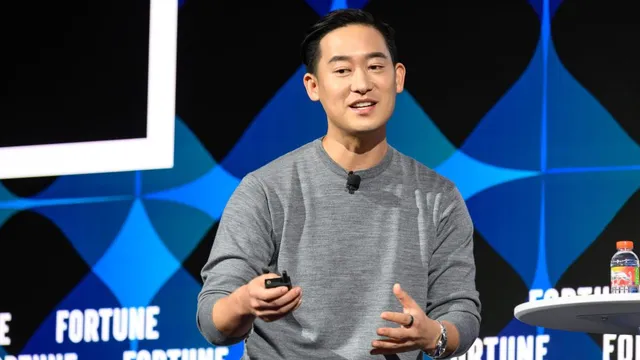
In recent months, IDEO, the renowned design agency, has been undergoing a significant transformation under its CEO Mike Peng. The company, based in San Francisco, has spent the last 35 years promoting human-centered design, a practice that defined its approach and appeal to numerous boardrooms. However, as the design landscape becomes increasingly competitive, with over 50% of companies claiming to prioritize customer-centered approaches, Peng recognizes the need for a new value proposition. Rather than merely providing design solutions, IDEO is now focusing on teaching companies how to innovate independently. Simultaneously, IDEO is actively engaging with the growing trend of Chinese companies seeking to expand globally, and the firm predominantly supports Chinese businesses in their endeavors to break into the international market. This shift highlights IDEO's commitment to adapting its services in response to global design challenges, such as those faced by Japanese companies striving to penetrate North American markets. Moreover, the firm has recently launched its inaugural Innovation Quotient, based on insights from more than 250 executives across various sectors. The findings revealed a correlation between workplace design culture and financial performance, with top-performing companies reporting 50% higher profits than their counterparts. Despite a majority of firms claiming to be customer-centric, the survey exposed significant gaps in autonomy for experimentation and customer testing within these organizations. Looking ahead, Mike Peng has expressed concerns about the implications of artificial intelligence on the design industry. He argues that while AI may not necessarily replace designers, it could homogenize design outputs as access to the same technologies becomes ubiquitous. This is a pivotal moment for IDEO, as it seeks to redefine its role amidst the changing landscape of design, emphasizing the importance of human involvement in the creative process.


