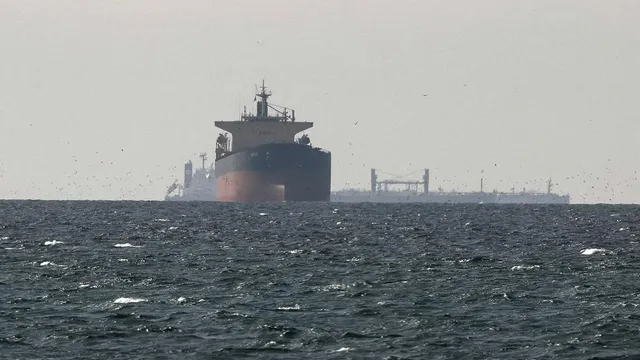
As tensions escalate in the Middle East, Iran's shadow fleet is reportedly maintaining its operations in South-east Asia to transport and export crude oil. Maritime intelligence analysts, including Ms. Bridget Diakun from Lloyd’s List Intelligence, indicate that even after the outbreak of war in Iran, the fleet has continued its activities without substantial disruption, with significant levels of STS (ship-to-ship) transfers occurring in Malaysian waters. Reports indicate a rise in illegal STS transfer incidents from 280 in 2023 to 679 in 2025, highlighting China’s growing demand for sanctioned Iranian oil.
Further complicating the situation, U.S. military actions, including airstrikes on Iranian military sites and threats against oil infrastructure like the Kharg Island terminal, have failed to hinder Iran’s oil operations. Notably, tankers were observed loading fuels at the Kharg Island terminal shortly after military strikes, underscoring the resilience of Iran's oil industry. The Iranian Revolutionary Guard Corps has intensified its efforts to control the Strait of Hormuz through random strikes against both civilian and commercial vessels, aiming to assert their power over this key maritime chokepoint that facilitates 20% of global oil and liquefied natural gas exports. Such actions have led to significant fluctuations in global oil prices, with the benchmark Brent crude price surpassing $100 per barrel.
Despite attempts by the United States to stabilize the situation — including the release of emergency oil stocks to counter rising prices — the effectiveness of Iranian tactics has resulted in a notable decrease in maritime traffic through the Strait of Hormuz. In recent weeks, Lloyd’s List reported that of 89 tracked transits, only 11 were associated with China-linked vessels, raising concerns about broader implications for international shipping and insurance companies.
The geopolitical stakes remain high as negotiations and pressures mount between Tehran and Washington, with Iranian officials suggesting open discussions about maintaining safe passage for non-combatant vessels. Nonetheless, persistent fears about Iranian attacks continue to leave many international shipping firms wary, leading to a significant decrease in large vessels traversing the Strait, where the IRGC's strategies continue to sow disruption rather than direct assaults. As this situation evolves, the implications for the global oil market and regional stability will be closely monitored, reflecting the complex interplay of regional conflicts, economic sanctions, and maritime security.