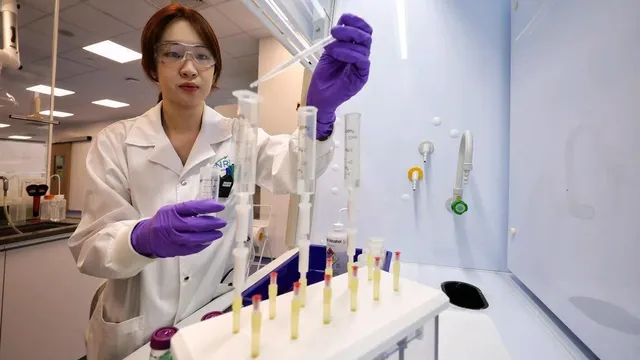
In June 2025, Singapore participated in a large-scale drill simulating a severe nuclear accident in Romania, demonstrating its preparedness for potential nuclear incidents. The exercise involved more than 70 countries and highlighted Singapore's commitment to ensuring radiological safety in the face of regional nuclear developments. The National Environment Agency (NEA) of Singapore routinely tests soil and water samples for elevated levels of manmade radiation, including isotopes like caesium-137 and cobalt-60, to build a solid baseline of the nation’s background radioactivity levels. This proactive monitoring is essential as the region considers nuclear energy options.
A significant development in Singapore's approach to nuclear safety occurred with the establishment of a nuclear safety division within the NEA in 2025. This division aims to bolster the capabilities of regulatory authorities, particularly in assessing the safety of different types of nuclear reactors. Although specific details about the staff strength have not been disclosed, this initiative reflects a growing need for technical expertise as Singapore evaluates the role of nuclear power in its energy strategy. Mr. Ang Kok Kiat, group director of the NEA's radiation protection and nuclear science group, emphasized that the NEA has consistently performed well in proficiency tests conducted by the International Atomic Energy Agency (IAEA).
Furthermore, Singapore’s participation in regional frameworks, such as the ASEAN Network of Regulatory Bodies on Atomic Energy, has led to the creation of an early warning network to monitor and respond to nuclear or radiological incidents proactively. According to Mr. Ang, more than 80 monitoring stations across Southeast Asia facilitate coordinated data sharing among nations, enabling early detection of radioactive releases. This collaborative approach aims to enhance collective security and preparedness throughout the region as discussions about nuclear energy continue.
The NEA’s lab employs advanced techniques to detect and measure radiation from environmental samples. For instance, the use of spectrometers allows scientists to identify radioactive materials by analyzing the energies of gamma rays emitted from substances. With rising interest in nuclear energy in Southeast Asia, Singapore’s commitment to maintaining high standards for radiation detection and safety management is pivotal in preserving public health and environmental integrity. The establishment of a new division, alongside regular safety drills and monitoring efforts, positions Singapore favorably as it navigates the complex landscape of nuclear energy development.