

Asia faces dire consequences as Super El Nino intensifies fuel crisis
Asia faces dire consequences as Super El Nino intensifies fuel crisis
- A Super El Nino could severely impact electricity supply due to drought conditions affecting hydropower generation.
- Historical data indicates significant economic disruptions from past Super El Nino events with losses in the billions.
- Addressing these forthcoming crises is essential for the stability and health of millions in Asia.
Story
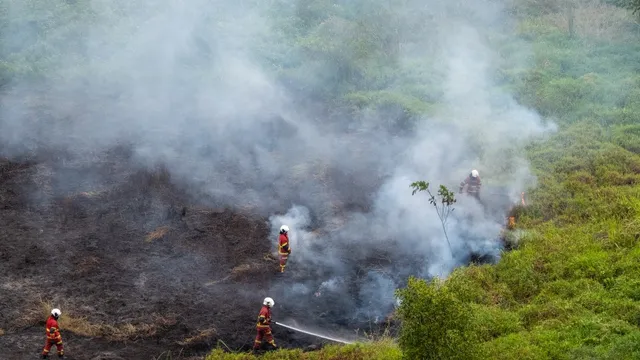
Countries in Asia are currently facing a severe fuel crisis that threatens to escalate due to the anticipated impacts of a Super El Nino phenomenon. This climate event, characterized by a significant rise in ocean temperatures, is projected to create extensive economic repercussions particularly in Southeast Asia and India, which rely heavily on climate-sensitive sectors like agriculture, fishing, and hydropower. Drought conditions resulting from Super El Nino are expected to curtail hydropower generation, exacerbating the existing electricity supply issues across the region. This energy crisis is compounded by reliance on Middle Eastern oil, now threatened due to conditions in the Strait of Hormuz controlled by Iran. Solutions being implemented include countries like Pakistan and the Philippines introducing four-day work weeks while Myanmar imposes driving restrictions to mitigate fuel shortages. The long-term economic impact due to previous Super El Nino events demonstrates the potential severity of the situation. Historical data shows that there have been three such events since the 1980s, all resulting in massive financial losses that surpassed tens of billions of dollars. Current predictions suggest that total economic losses this century due to El Nino could reach an alarming $84 trillion. With such staggering figures in mind, it becomes apparent that economic activities across various regions, including water-intensive manufacturing sectors like textiles and semiconductors, may also experience substantial disruptions as a direct consequence of the changing climate. Beyond economic implications, the Super El Nino could potentially trigger a public health crisis in the region. Rising temperatures put outdoor workers in sectors such as construction and logistics at a heightened risk of severe heat exhaustion. Furthermore, limited water supplies can lead to increased mosquito-borne diseases like malaria and dengue, prominently as communities may inadvertently create breeding grounds by hoarding water in containers. The effect of Super El Nino could extend to the exacerbation of ongoing respiratory conditions due to haze caused by forest fires in parts of Southeast Asia. This series of adverse conditions could force educational institutions and businesses to shut down, further complicating the region's ability to cope with both health and economic challenges. Experts warn the recurrence of Super El Nino events may double in frequency over the coming century as a result of climate change, implying that Asia must prepare to face these challenges head-on in order to protect the livelihoods and health of millions. The dynamic interplay of climate, public health, and economic stability calls for immediate attention and significant policy adjustments to address the impending crises, stressing the urgency for sustainable energy solutions and environmental resilience strategies.


