

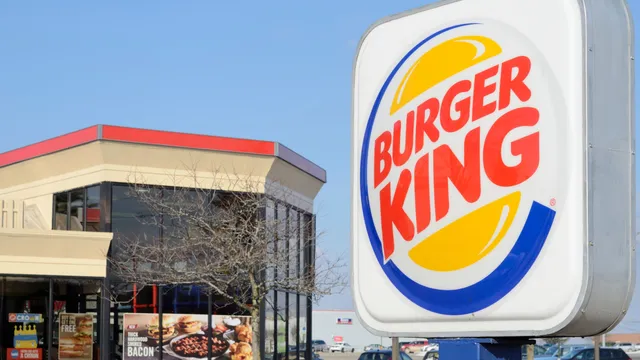
Burger King launches massive hiring initiative amid rising demand
Burger King launches massive hiring initiative amid rising demand
- Burger King is undertaking a nationwide hiring initiative, planning to recruit up to 60,000 people across 6,500 restaurants.
- This effort follows a transformative period for the company, marked by restaurant remodels and menu updates, contributing to higher sales.
- The hiring campaign aims to meet increased customer demand and enhance the overall customer experience.
Story
In a bold move to respond to increased customer demand, Burger King, a leading fast-food chain in the United States, has announced a nationwide hiring initiative aimed at recruiting up to 60,000 workers. This significant effort will involve nearly all of the company's 6,500 U.S. restaurants, spanning positions from entry-level crew members to management roles. The hiring wave is part of a broader strategy to accelerate service delivery and improve customer experiences at fast-food locations, which have faced challenges due to increased operational demands. The decision to embark on such a large-scale recruitment drive comes after what executives have labeled one of the most transformative periods in the company’s history. Burger King has heavily invested in restaurant renovations, improving operational processes, and revamping its marketing and menu selections. These revitalization efforts, including a refresh of the iconic Whopper sandwich under the
Context
The quick-service restaurant (QSR) industry faces several significant challenges as of 2026. Firstly, labor shortages have become a pressing issue. Many QSRs struggle to find and retain staff, leading to increased labor costs and diminished service quality. As the labor market remains competitive, restaurants must offer higher wages and better benefits to attract employees, which can squeeze profit margins. Additionally, the high turnover rate common in the industry further exacerbates staffing challenges, requiring continuous training and onboarding efforts that can be costly and time-consuming. This situation has prompted many operators to explore technological solutions, such as self-service kiosks and mobile ordering, to alleviate some pressure on workforce requirements while enhancing customer convenience and experience. Another challenge is the rising costs of food and supply chain disruptions. Global events, such as climate change, trade disputes, and ongoing supply chain issues stemming from the COVID-19 pandemic, have contributed to volatility in ingredient pricing and availability. This unpredictability forces QSR operators to adapt quickly by adjusting their menus, sourcing strategies, and pricing structures to maintain profitability. Furthermore, consumers are increasingly concerned about food quality and sustainability, pushing QSRs to source ingredients responsibly and transparently. As a result, many operators are re-evaluating their suppliers and focusing on local sourcing to meet customer demands while managing costs. The ever-evolving consumer preferences also pose a challenge for the QSR industry. Today’s consumers are more health-conscious and environmentally aware, demanding healthier options and sustainable practices from their favorite restaurants. Consequently, QSRs must innovate their menus to include plant-based options, responsibly sourced ingredients, and transparent nutritional information to meet these expectations. Additionally, the rise of third-party delivery services has altered how consumers engage with QSRs, shifting their expectations for convenience, speed, and service. To remain competitive, quick-service restaurants need to adopt flexible business models that integrate delivery services seamlessly, while maintaining their traditional dine-in customers. Lastly, technological advancements continue to revolutionize the QSR landscape. From mobile apps and online ordering systems to advanced kitchen technologies, QSR operators must invest in digital tools to enhance operational efficiency and customer engagement. However, this digitization comes with its own set of challenges, including the need for cybersecurity measures to protect customer data and the financial burden of implementing new technologies. The successful QSR of the future must not only navigate these current challenges but also stay ahead of trends to remain relevant in a fast-evolving industry.


