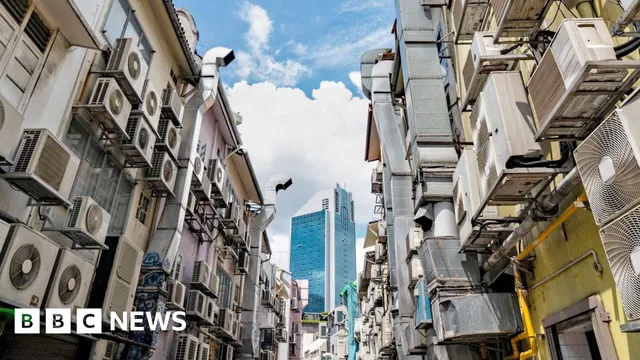
Singapore is taking measures to address the rising energy prices resulting from the Iran war, which has significantly impacted the country's energy supply. As one of the nations in Southeast Asia heavily reliant on Gulf oil imports, Singapore's Ministry of Sustainability and the Environment has issued guidelines for government employees to set air-conditioning at a minimum of 25 degrees Celsius. This decision came on April 8, 2026, reflecting the urgency of the situation as global fuel supply chains face disruptions due to the conflict.
The rise in oil prices is a pressing concern for many Asian nations, including Singapore, which sources approximately two-thirds of its crude oil from the Middle East. The ongoing war has led to economic strain, prompting the government to encourage employees to explore energy-efficient alternatives, such as using fans and opting for public transportation instead of personal vehicles. These strategies aim to mitigate the impact of rising fuel costs and ensure energy sustainability in light of the region's heavy energy dependence.
In addition to Singapore, other neighboring countries have implemented similar energy conservation measures in response to the crisis. For instance, Thailand has requested that citizens keep air-conditioning settings between 26 and 27 degrees Celsius, while the Philippines adopted a shortened workweek for government offices due to its extreme dependence on Middle Eastern oil. The economic fallout from the Iran war is referred to as the "Asian crisis," highlighting the critical need for nations in the region to diversify their energy sources in the long term.
The actions taken by Singapore and its neighbors underscore the broader implications of geopolitical tensions on energy security. The government of Singapore has yet to introduce rationing measures or tap into its fuel reserves as it navigates the challenging circumstances. The response to these energy challenges demonstrates a collective realization among Asian nations about the necessity to become more efficient in oil usage and work towards reducing their dependence on a limited number of energy sources.