

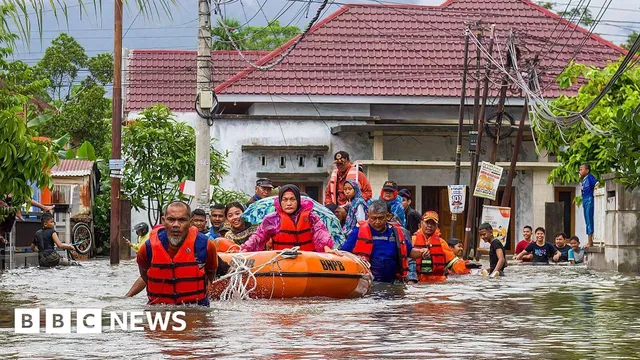
Over 1,000 dead as floods ravage Southeast Asia
Over 1,000 dead as floods ravage Southeast Asia
- Over 1,000 fatalities have been reported across Indonesia, Thailand, and Sri Lanka due to recent floods and landslides.
- More than four million people have been displaced, with ongoing rescue efforts hampered by adverse weather conditions.
- The wide-scale flooding serves as a significant call to action for governments facing the impacts of climate change.
Story
In late November 2025, devastating floods and landslides struck multiple countries in Southeast Asia, resulting in significant loss of life and widespread displacement. As a result of the weather disasters, Indonesia experienced the highest toll, with reports indicating that over 469 individuals perished due to flooding. Neighboring Thailand and Sri Lanka also faced similar catastrophic conditions, with 334 and 170 deaths reported, respectively. As the situation in these countries worsens, recovery efforts are complicated by ongoing heavy rains which hinder rescue operations and leave many communities cut off from aid. The unprecedented weather conditions have been attributed to the combined effects of Cyclone Senyar and Cyclone Ditwah, which have brought the heaviest rainfall seen in decades. Over four million people have been displaced across the affected regions, with the Indonesian National Disaster Management Agency indicating that a large number are still missing, further exacerbating the crisis. In northern Sumatra, local residents, cut off from help, resorted to looting for food and water amidst fears of starvation due to the delayed delivery of supplies. This civil unrest underlines the desperation felt by those trapped in flooded areas. In Thailand's southern provinces, the Typhoon has led to severe flooding, inundating homes and essential services, while local hospitals faced challenges in handling the influx of displaced individuals and casualties. The Thai government has declared a state of emergency as recovery efforts ramp up, with rescuers desperately trying to reach stranded communities. In Sri Lanka, the situation is equally dire, as residents struggle to cope with the aftermath of Cyclone Ditwah, which has damaged infrastructure across the country, plunging many areas into darkness without access to water or electricity. As the death toll climbs past 1,000 across the region, the need for immediate humanitarian assistance continues to rise. The governments are mobilizing resources, but immediate challenges remain in reaching those most affected. Leaders are calling for international support to aid relief efforts as climate change is cited as a factor contributing to the severity of such weather patterns, prompting experts to demand action to prepare for similar natural disasters in the future. The situation remains fluid, with weather forecasts indicating more adverse conditions expected in the coming days, putting further pressure on already strained emergency services.
Context
Climate change has emerged as one of the most significant global challenges, with its effects increasingly manifesting in various regions, including South East Asia. This area, characterized by its diverse geography and vulnerable ecosystems, faces distinct weather pattern shifts as a result of climate change. Rising global temperatures contribute to alterations in both precipitation and temperature variances, leading to more intense weather events. The region is experiencing heavier rainfall and extended dry spells, significantly impacting agricultural practices, water supply, and overall environmental health. Beyond the immediate climatic alterations, these changes pose severe threats to food security and livelihoods, particularly in rural communities primarily dependent on agriculture. Additionally, the phenomenon of El Niño and its impact on the region has been exacerbated by climate change, leading to more pronounced droughts and flooding. These weather events are not just sporadic but are increasingly becoming the norm, which results in a cycle of vulnerability for many populations. Moreover, rising sea levels threaten coastal areas, with flooding becoming more frequent and severe. Urban areas are grappling with infrastructure challenges, as flooding and heavy rainfall can cause critical disruptions. This vulnerability is compounded by socio-economic factors, such as poverty and inadequate disaster preparedness, making it essential for nations in South East Asia to prioritize climate adaptation measures. The health implications of these weather changes cannot be understated. Increased temperatures and humidity exacerbate the conditions for vector-borne diseases, such as malaria and dengue fever, posing heightened health risks to the population. Additionally, the strain on water resources can lead to sanitation issues, giving rise to waterborne diseases, which further threatens public health. As extreme weather conditions become more frequent, there is an urgent need to focus on strengthening health systems and implementing proactive public health measures to manage these emerging threats. To mitigate these impacts, collaborative efforts among South East Asian countries are crucial. Policymakers need to invest in climate-resilient infrastructure, implement sustainable agricultural practices, and design comprehensive disaster response strategies. By fostering regional cooperation and sharing best practices, nations can better prepare for the inevitable changes due to climate change. Education and awareness programs targeting communities at risk will enhance resilience, ensuring that populations are equipped to handle the adverse effects of climate change on weather patterns effectively. In conclusion, addressing the multifaceted impacts of climate change on South East Asia requires an integrated approach, encompassing environmental, economic, and health dimensions.


