

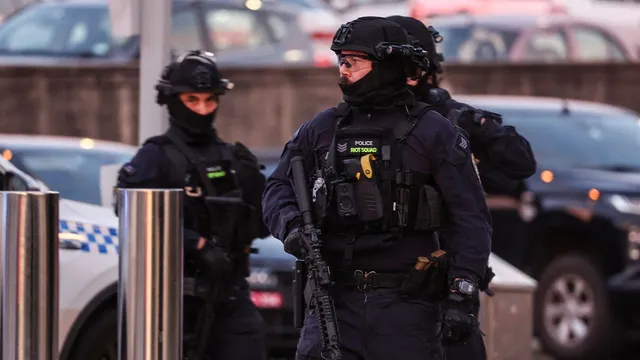
Israel warns Australia of imminent Iranian terror threat to Jewish community
Israel warns Australia of imminent Iranian terror threat to Jewish community
- Israeli intelligence warned Australia months prior about the establishment of foreign-linked terror infrastructure.
- The Bondi Beach attack involved two gunmen targeting the Jewish community, resulting in significant casualties.
- There is heightened scrutiny regarding how Australia responded to intelligence warnings before the attack.
Story
In recent months, Australian authorities received warnings from Israeli intelligence regarding Iranian-linked terror activities that targeted Jewish communities within the country. These warnings were issued months before the tragic Bondi Beach attack, where two gunmen opened fire, killing at least 15 and injuring many more in December 2025. The Israeli intelligence detailed Iranian guidance and coordination of operatives within Australia, particularly focusing on Jewish communities unnoticed by local authorities. This situation follows a significant rise in global Iranian-linked terror activities aimed at Jewish populations, highlighting a worrying trend that has escalated following recent conflicts in the Middle East. The Bondi Beach attack intensified scrutiny over the Australian government's actions in response to the intelligence provided by Israel, particularly as anti-Semitic incidents have surged nationwide. Australian domestic security measures had previously expelled Iran's ambassador amid accusations that Iran was directing threats against Jewish targets within Australia, which Iran denied vehemently. However, the investigations into the attack continue, and officials have not definitively attributed it to foreign intelligence guidance. As the investigation unfolds, discussions have emerged about the implications of these warnings and whether adequate measures were taken to prevent such attacks. Experts have noted that the online jihadist ecosystems catalyzed the transformation of incitement into action, making attacks easier for extremists, which exacerbates the already precarious security situation. The rise in anti-Semitic violence coupled with threats from organizations like ISIS further complicates the landscape, raising alarms about the potential for more violence inspired by the Bondi incident. Given these developments, the situation calls for a re-evaluation of existing domestic and international security protocols in Australia. It highlights the critical nature of intelligence sharing and prevention strategies to counteract threats that target marginalized communities. The poses a serious question about the current capabilities and preparedness of security agencies, as they strive to protect vulnerable populations amidst growing global threats from radical Islamic movements, especially in tumultuous regions such as Syria.


