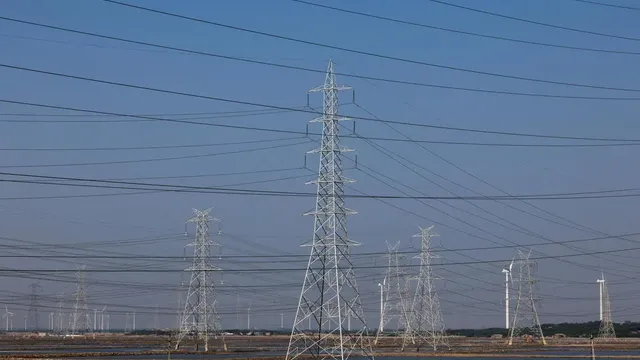
India is pursuing an ambitious plan to establish a cross-continental green power grid that connects Southeast Asia, the Middle East, and Europe. This initiative aims to position India as a leader in the global energy transition and to strengthen its regional influence amidst the growing presence of China in energy infrastructure. Central to this vision is the proposal of building undersea transmission cables from India to Singapore to transport solar power, seen as a critical entry point into Southeast Asia. Discussions regarding this plan are currently in the early exploratory stages.
India has already established power interconnections with Bhutan, Bangladesh, and Nepal, enabling a regional electricity trade that leverages renewable energy sources such as hydropower and solar power. As of June 2025, Nepal began to sell hydropower to Bangladesh via India’s electricity grid, marking a significant step in trilateral energy cooperation in South Asia. Additionally, India and Nepal have laid out plans to construct three high-capacity transmission lines by the 2030s, which will facilitate the export of up to 10 gigawatts of hydroelectricity from Nepal to India.
Strengthening energy ties within South Asia is a key strategic goal for India, especially in light of its complex relationships with neighboring countries. While cooperation with Pakistan remains challenging, India's focus on collaboration with Bhutan and Nepal showcases its commitment to building a reliable energy network in the region. Meanwhile, India is also engaging in talks with the UAE and Saudi Arabia to further enhance its energy partnerships.
The Indian Energy Market Authority (EMA) has been receptive to low-carbon electricity imports, granting conditional approvals for electricity imports from multiple countries, including Indonesia and Malaysia. These developments not only signify India's ambition to lead in renewable energy but also highlight the necessity of ensuring that the solar energy transported through these cables remains cost-effective compared to local power sources in recipient countries. Speculation remains around achieving these energy transition goals against the backdrop of geopolitical challenges and operational feasibility.