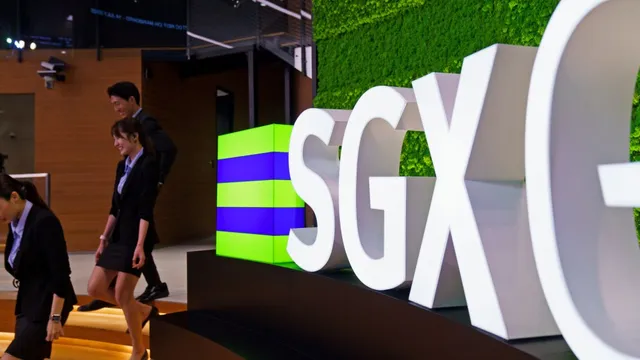
Singapore has launched a dual listing initiative aimed at enhancing its stock market's attractiveness by creating a connection with the NASDAQ. This initiative is expected to appeal to Southeast Asian companies seeking access to U.S. capital while retaining brand recognition in the region. According to Chan Yew Kiang, the ASEAN IPO leader at EY, this strategy may help companies leverage the U.S.'s deep capital market while diversifying investment options amidst geopolitical uncertainties.
The initiative comes at a time when Singapore's stock exchange has been grappling with low liquidity, generating an average daily turnover of only $1.4 billion compared to around $29 billion for the Hong Kong Exchange (HKEX). Research manager Glenn Thum from Philips Securities attributes this disparity to Singapore's smaller retail base, which tends to be more conservative and prefers investments in dividends and bonds rather than speculative trading.
In contrast, Hong Kong benefits from an extensive population of active retail traders that drive higher turnover through speculative trading activities. This ongoing cycle invites high-frequency traders, subsequently boosting valuations and attracting Initial Public Offerings (IPOs). Meanwhile, companies like Grab and Sea have opted to list in U.S. markets, highlighting their ability to benefit from the deeper capital resources available there, leaving Singapore at a disadvantage in its investment attractiveness. Notably, many Southeast Asian firms feel pressured to pursue listings in more lucrative markets which have become an ongoing concern for Singapore.
The newly proposed Global Listing Board will impose requirements on companies seeking dual listings, allowing only those with a market capitalization greater than $2 billion Singapore dollars—that is, around $1.6 billion in U.S. dollars—to apply. Consequently, many Southeast Asian companies like QAF Limited, which has a significantly smaller market cap (approximately $546 million), will find themselves ineligible to take advantage of this dual listing opportunity. Furthermore, comparisons are drawn with Hong Kong's more lenient secondary listing threshold of $385 million, making it clear that Singapore is straining to remain competitive as firms increasingly look to the U.S. market to optimize their financial strategies.